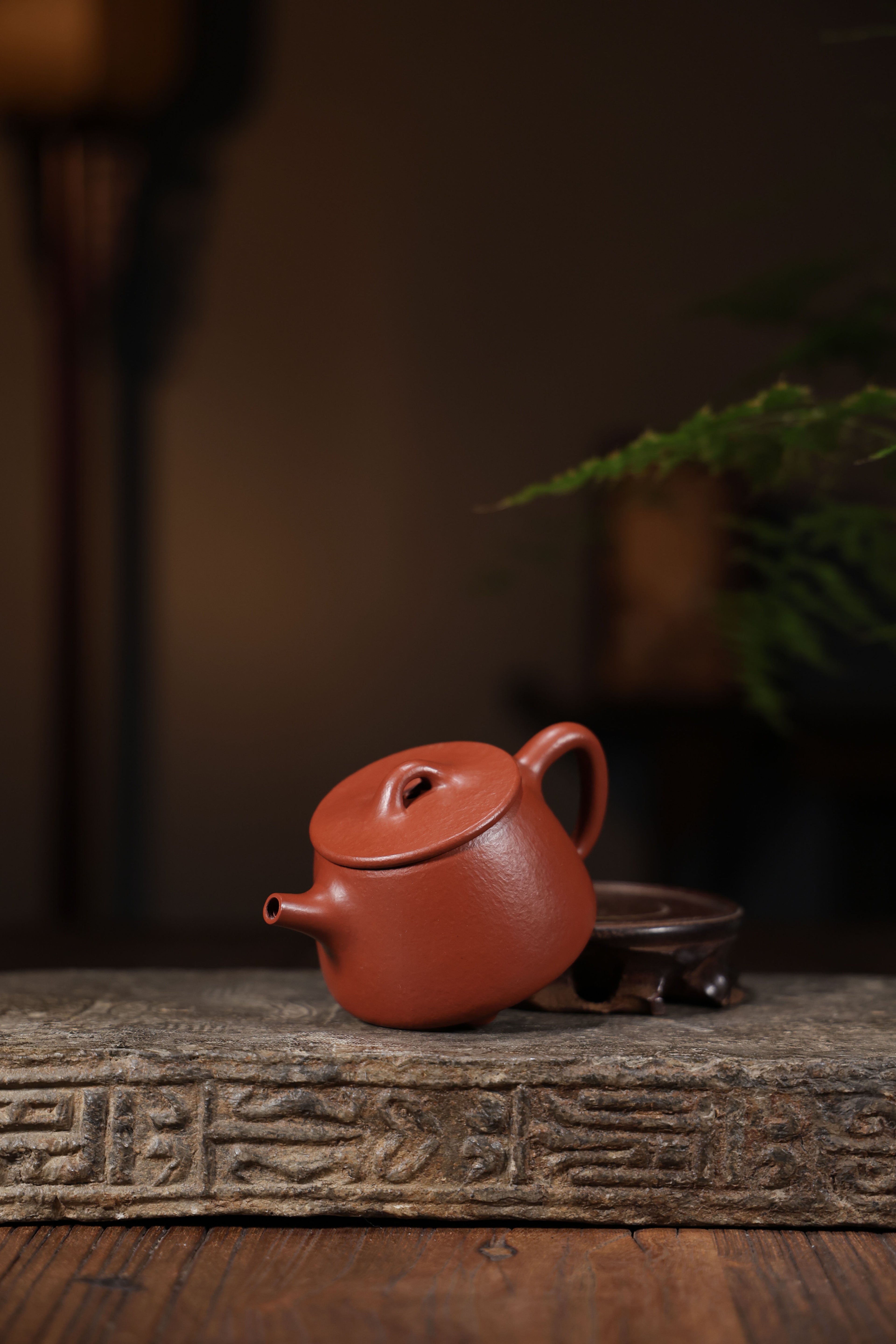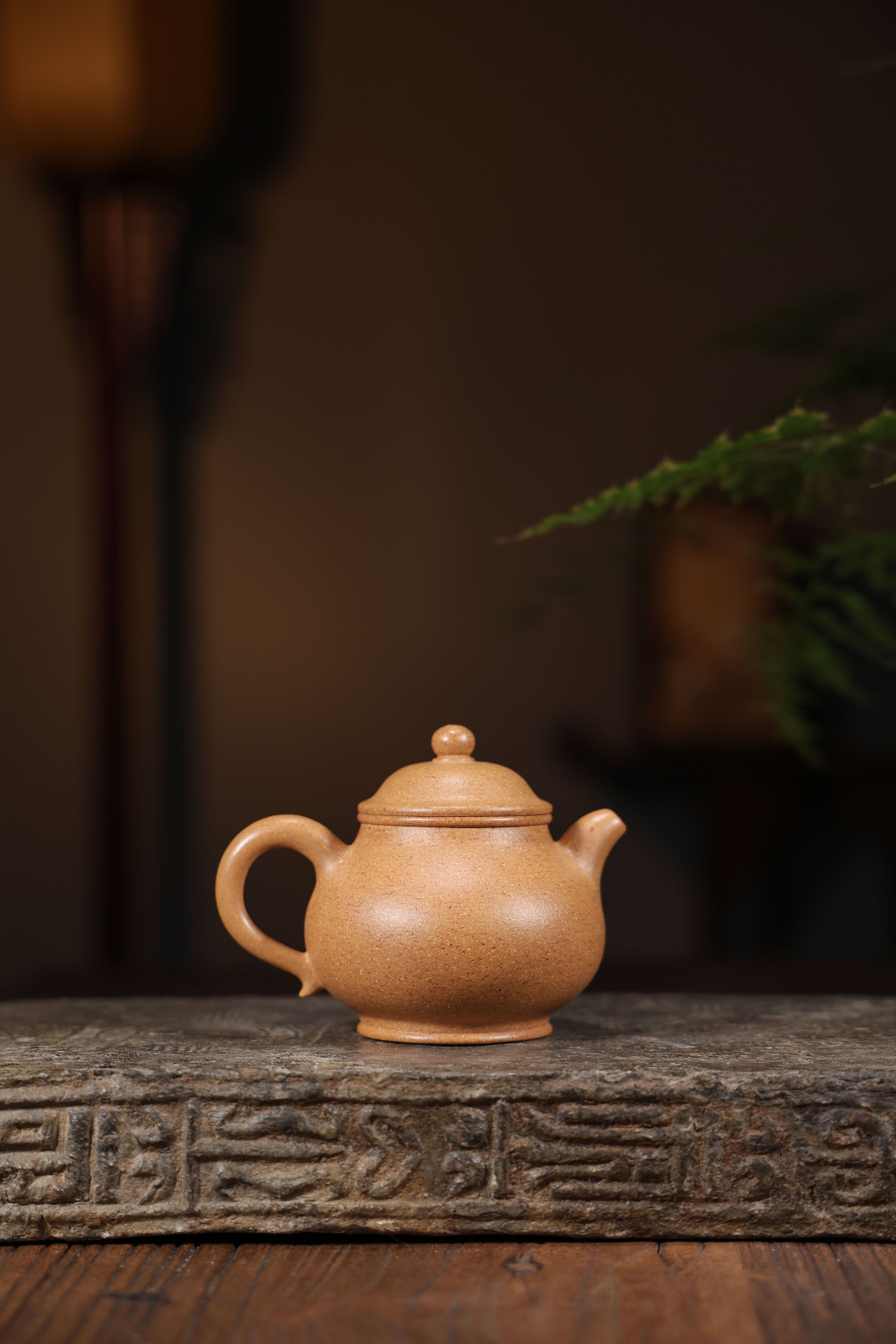
Generations in experts have long favored the distinctive charm of Yixing Zisha pots. Rooted in the picturesque town of Yixing, the country, these vessels are crafted from a rare and collected purple clay acknowledged for its notable thermal traits and capability to boost the flavor of potions. Besides their effective importance, Zisha teapots represent a profound social foundation, turning them extremely treasured and a veritable masterpiece for any passionate teapot enthusiast.
Uncovering Yixing Ware
Such teapots embody a memorable mixture of history and craftsman craftsmanship. Founded in Yixing, Jiangsu Zone of China, their narrative traces to the Ming Dynasty, although manifestations suggest earlier expressions. The special burgundy clay, called Zisha, found specifically in the Yixing region, is the key component, contributing to the pots' impressive heat holding and the manner they impact the notes of tea. Periods of potters have polished techniques—often bestowed through families—including modeling the clay, applying decorative embellishments, and firing the pots at exact temperatures.- Back then, Yixing teapots were often embellished with simple designs.
- Down the line, more advanced carvings and figurative motifs became accepted.
- The heat treatment itself is a fundamental element, requiring considerable time of expertise.
Collecting Zisha Teapots: Crucial Checkpoints
Initiating a campaign to acquire Zisha containers can be rewarding, but it’s vital to learn what to examine. Authenticity is fundamental; focus on the potter’s natural cast, a subtle reddish-brown is characteristic. Examine the consistency; genuine Zisha has a unique tactile sensation, often explained as slightly unequal. The shape should be appealing and consistent with conventional styles, while signatures, if present, require diligent examination for accuracy. Don’t delay to consult with savvy experts or recognized experiences – their awareness is priceless.
Oriental Containers: Delving into the Tradition of this Ceramics
Millennia have seen Yixing Rare Clay teapots occupy a distinguished role in Chinese arts. These beautifully crafted pots, sourced uniquely from the district of Yixing, are distinguished Zisha Teapot for their specific tint, quality, and their ability to improve the essence of decoctions. Many collectors pursue antique Yixing teapots, treasuring them significantly not only for their aesthetic appeal, but also for the history they represent.
Yixing Zisha Teapots: Exceptional Ultimate Selections and Their Aspects
Yixing Ceramics teapots, developed in the celebrated section of Yixing, the state, are distinguished for their exceptional clay and excellent brewing skills. Amid the diverse Zisha types, specific kinds that are highly sought-after include Zhuni. Binzhou, known for its rich purple shade and even texture, delivers a gentle flavor. The Duan Ni type, recognizable by its reddish color and somewhat grainy feel, is perceived to enhance a robustness. Lastly, Zhuni faction boasts an scarce crimson tone and can impart a nice nuance. Each sort delivers a unique experience, making them considerably desirable between infusion enthusiasts.
Brewing Perfection The Artisan Pitcher
To experience the full potential of your Yixing urn, learning the correct technique is necessary. These clay earthenware, celebrated for their penetrability, will slowly embrace the core of the tea you steep within them. Begin by purifying the pot thoroughly with hot water. Then, use only excellent full leaf tea, as lower quality options can damage the item’s delicate aroma. Always allow the leaves to develop completely, and remember that with each brewing, your Yixing urn will become progressively appreciated.
Caring for Your Valuable Zisha Collectible
Proper maintenance for your Zisha pitcher is critical to securing its longevity and esteem. Zisha clay, recognized for its unique tinge and feel, requires precise handling. Never use strong solutions, as these can damage the layer. After every use, rinse the container with warm water and allow it to dehydrate completely.
- Resist soaking the vessel for extended phases.
- Regularly use a soft cleanser cloth to wipe the exterior.
- Reflect on applying a thin layer of food-grade mineral oil inside the urn after drying, which can diminish staining.
Introduction to Yixing Pots
Yixing containers, originating from the Yixing district in Jiangsu Province, in the People's Republic, are celebrated for their distinctive peculiarities. Crafted from the unique purple earth known as Zisha, these vessels are prized by infusion enthusiasts worldwide. This digest will plainly explain the basics – covering types of Zisha clay, popular shapes, and important care tips. Understanding the history of Yixing teapots can enhance your appreciation for this celebrated example of Han civilization.
Technique of Han Earthenware: Concentrating on Zisha sourced from the Yixing area
Zisha pottery from Yixing represents the culmination of Oriental earthenware design, possessing a unique composition of unprocessed beauty and practical artistry. These extraordinary pieces are acclaimed for their intense color palettes, often including robust purples and brown hues to delicate greys and light beiges. The salient mineral composition of the exclusive Zisha ground imparts a noteworthy texture and offers a agreeable aroma that heightens the total concoction experience, transforming them highly valued collectibles and essential components of any serious ritual.